🎯 Interactive Task: Safety Regulations & HASAWA
0%
🎯 Checkpoint Questions 1
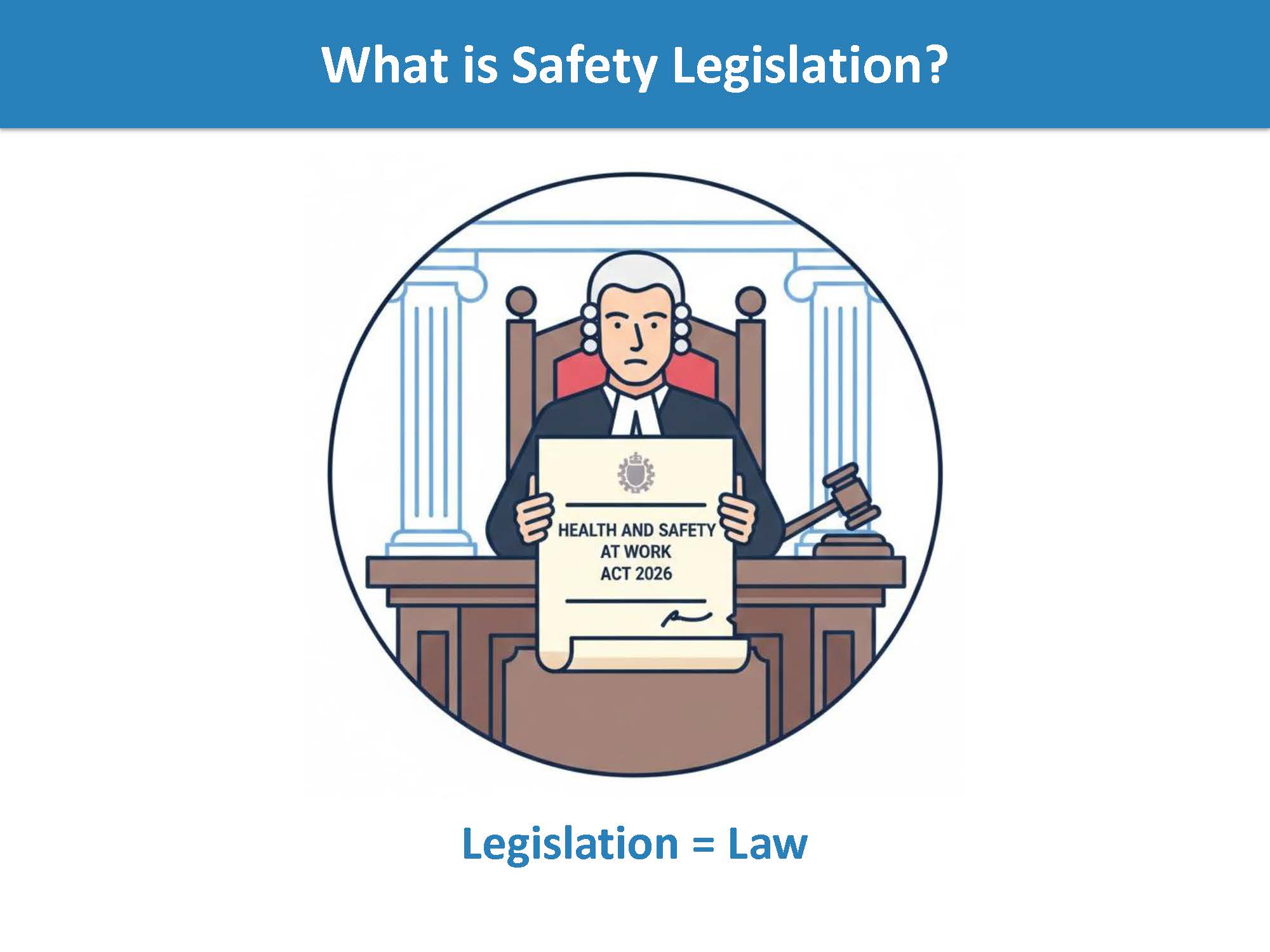
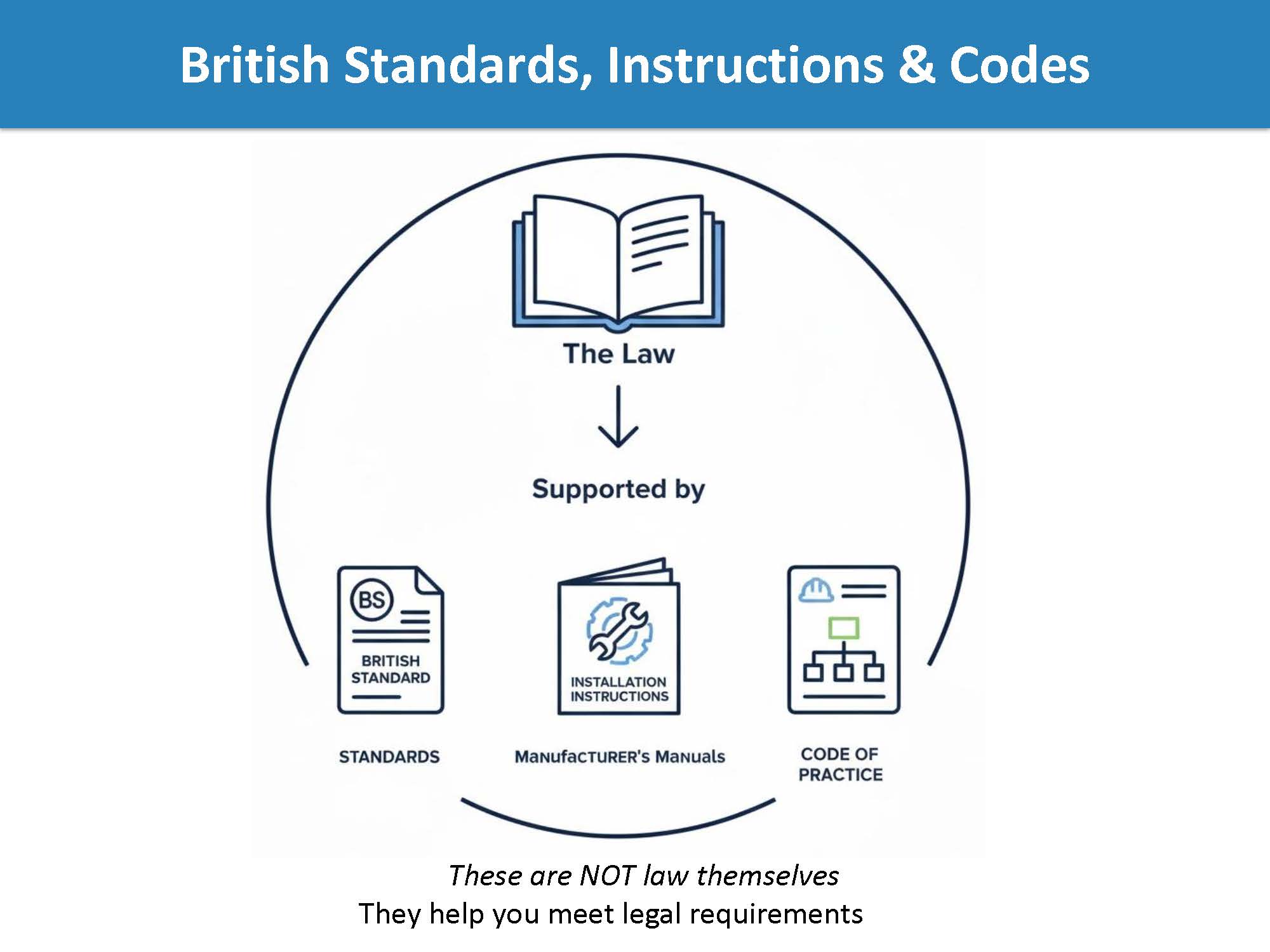
Question 1: What word typically appears at the end of a legal document's name?
a) Guidelines
b) Act or Regulations
c) Standards
d) Instructions
Question 2: British Standards are law and you can be prosecuted for not following them.
True
False
🎯 Checkpoint Questions 2
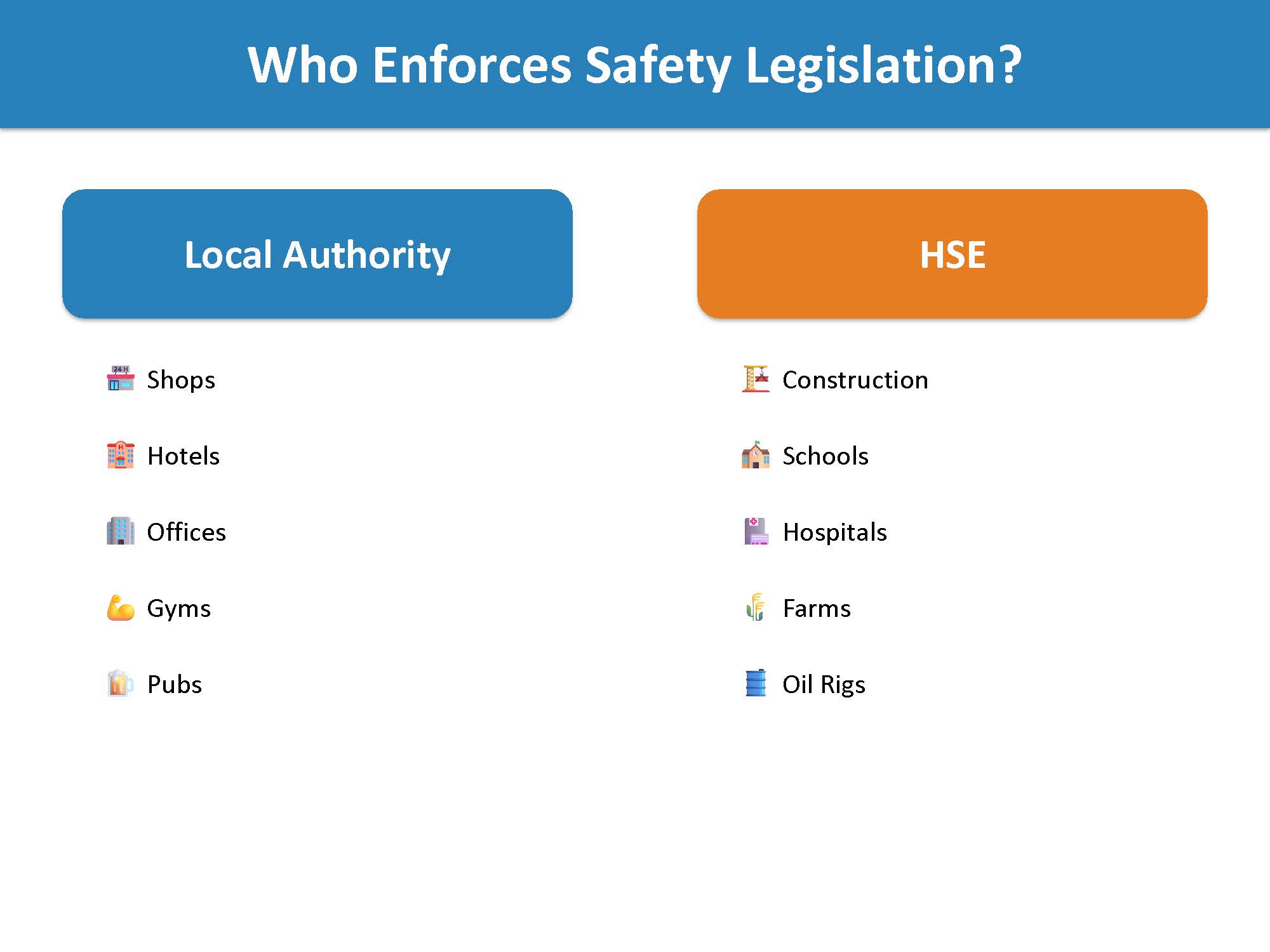
Question 3: Which organization enforces safety legislation on construction sites?
a) Local Authority
b) Fire Service
c) Health and Safety Executive (HSE)
d) Police
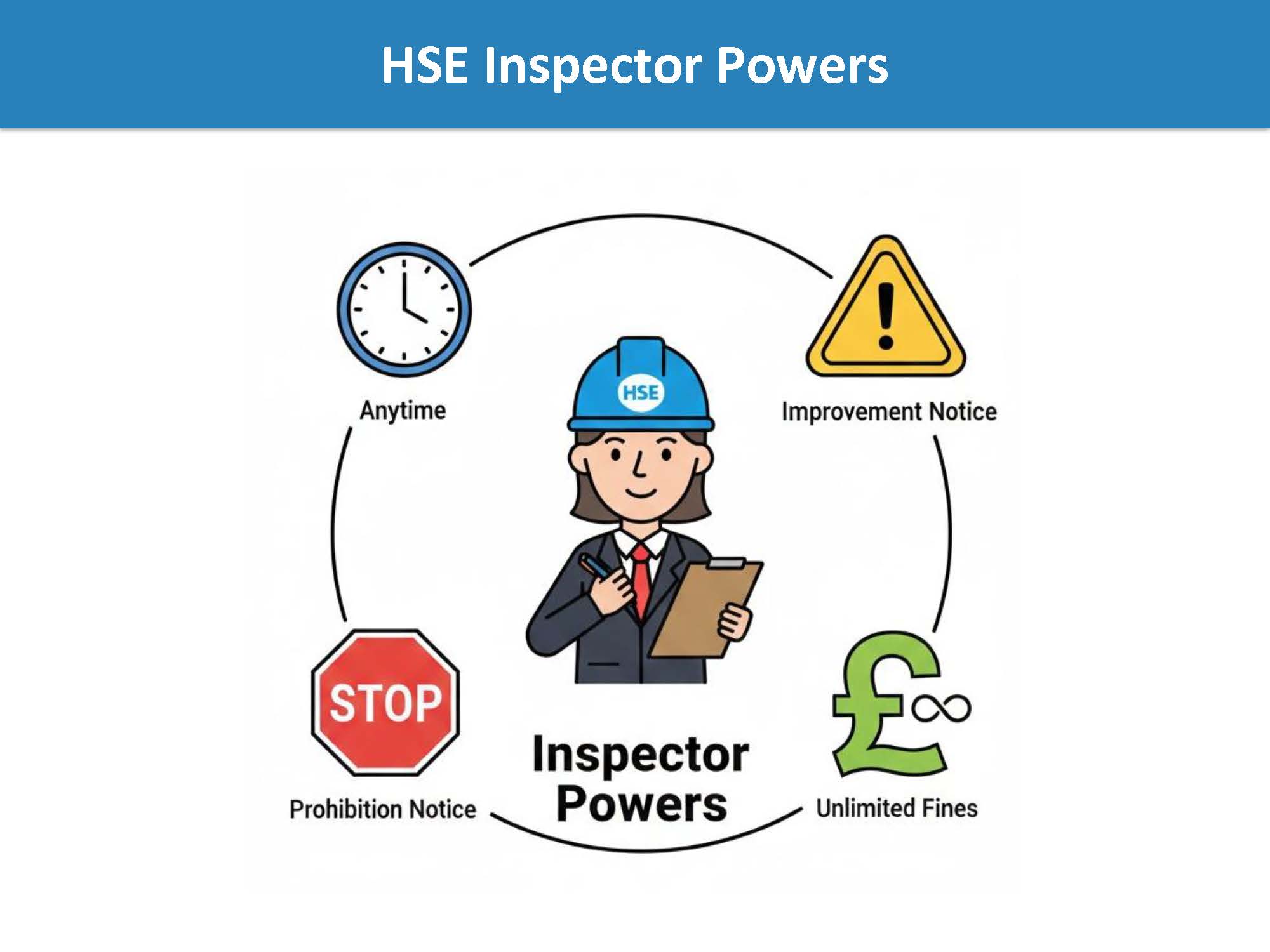
Question 4: What notice would an HSE inspector issue if there was immediate danger to workers?
a) Improvement notice
b) Warning notice
c) Prohibition notice
d) Caution notice
🎯 Checkpoint Questions 3
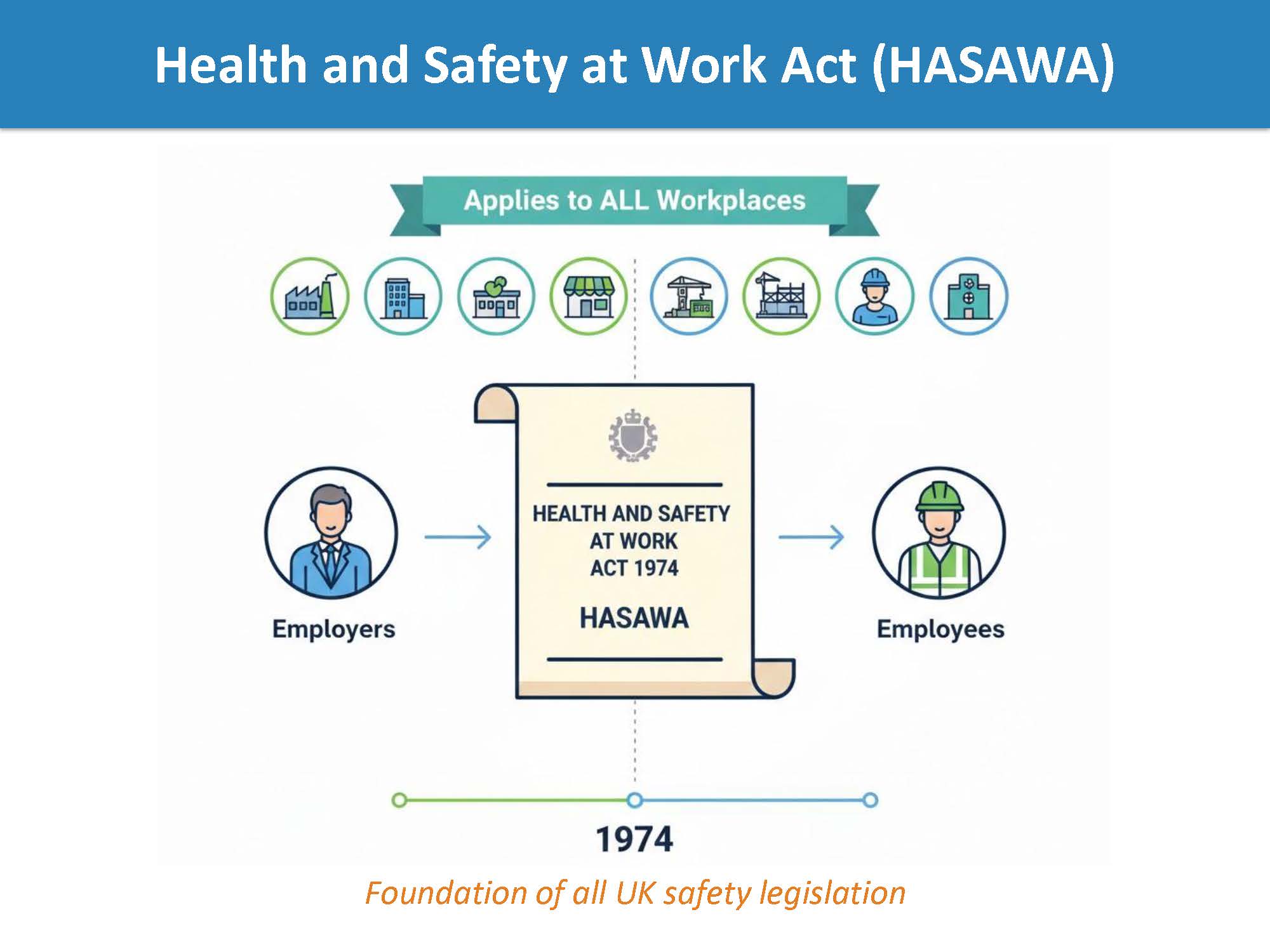
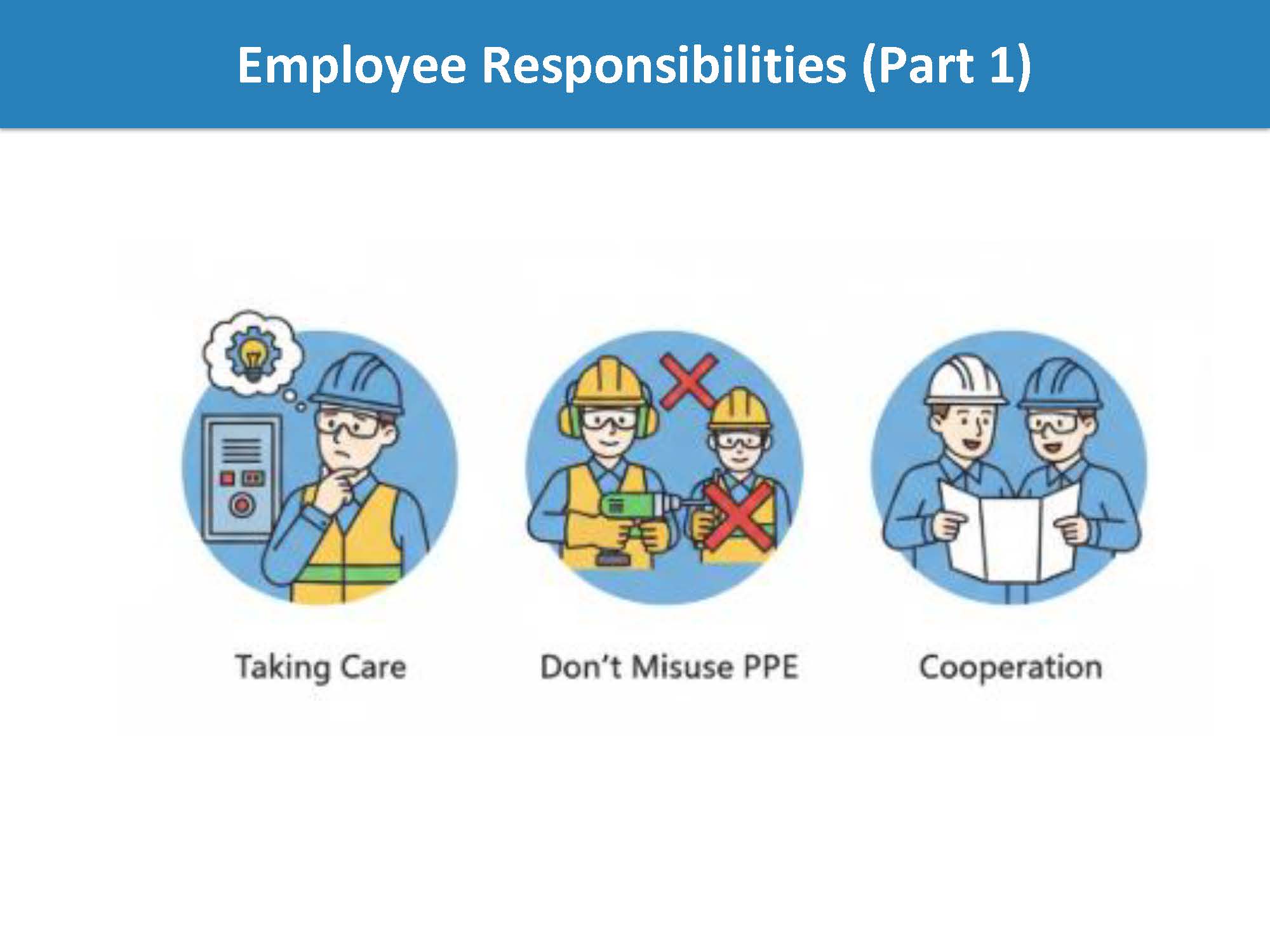
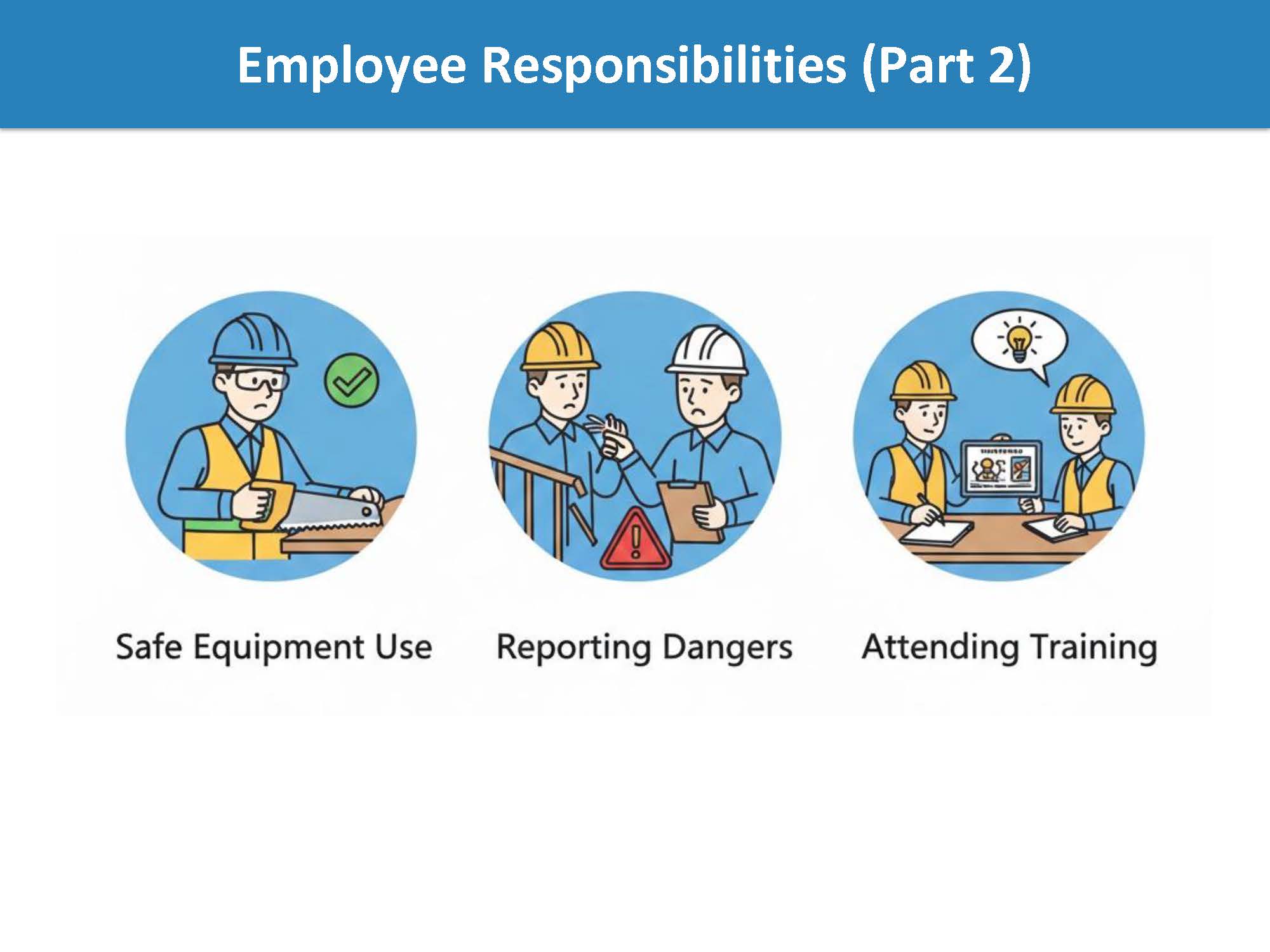
Question 6: Which of these is NOT an employee's responsibility under HASAWA?
a) Take care not to put others at risk
b) Write the company safety policy
c) Report serious dangers to the employer
d) Attend safety training courses
Question 7: If you spot a serious safety hazard at work, what should you do?
a) Ignore it - it's not your responsibility
b) Fix it yourself immediately
c) Report it to your employer straight away
d) Wait until your next safety training session
Question 8: Employees can be prosecuted under HASAWA if they don't follow safety rules.
True
False
🎯 Checkpoint Questions 4
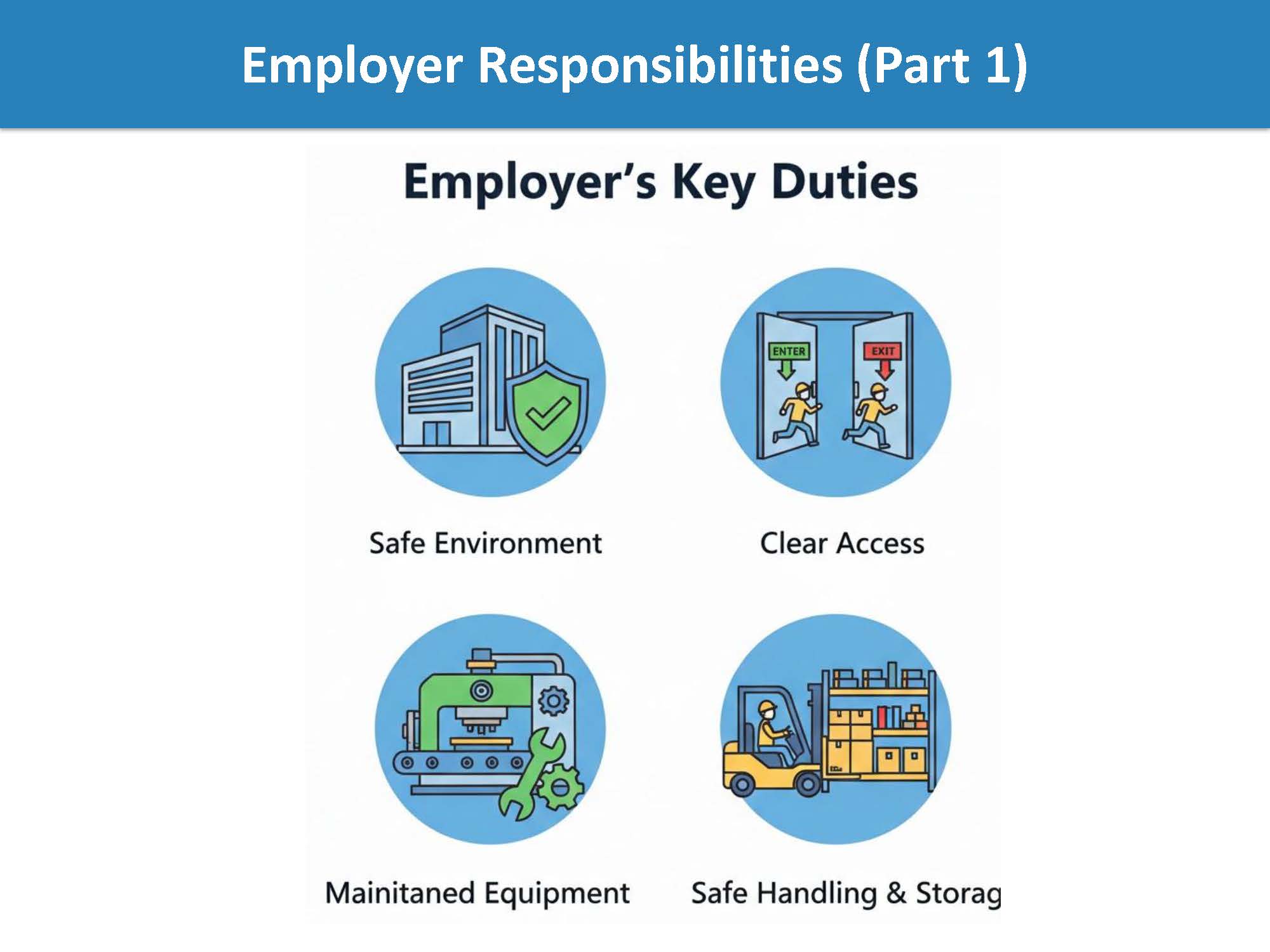
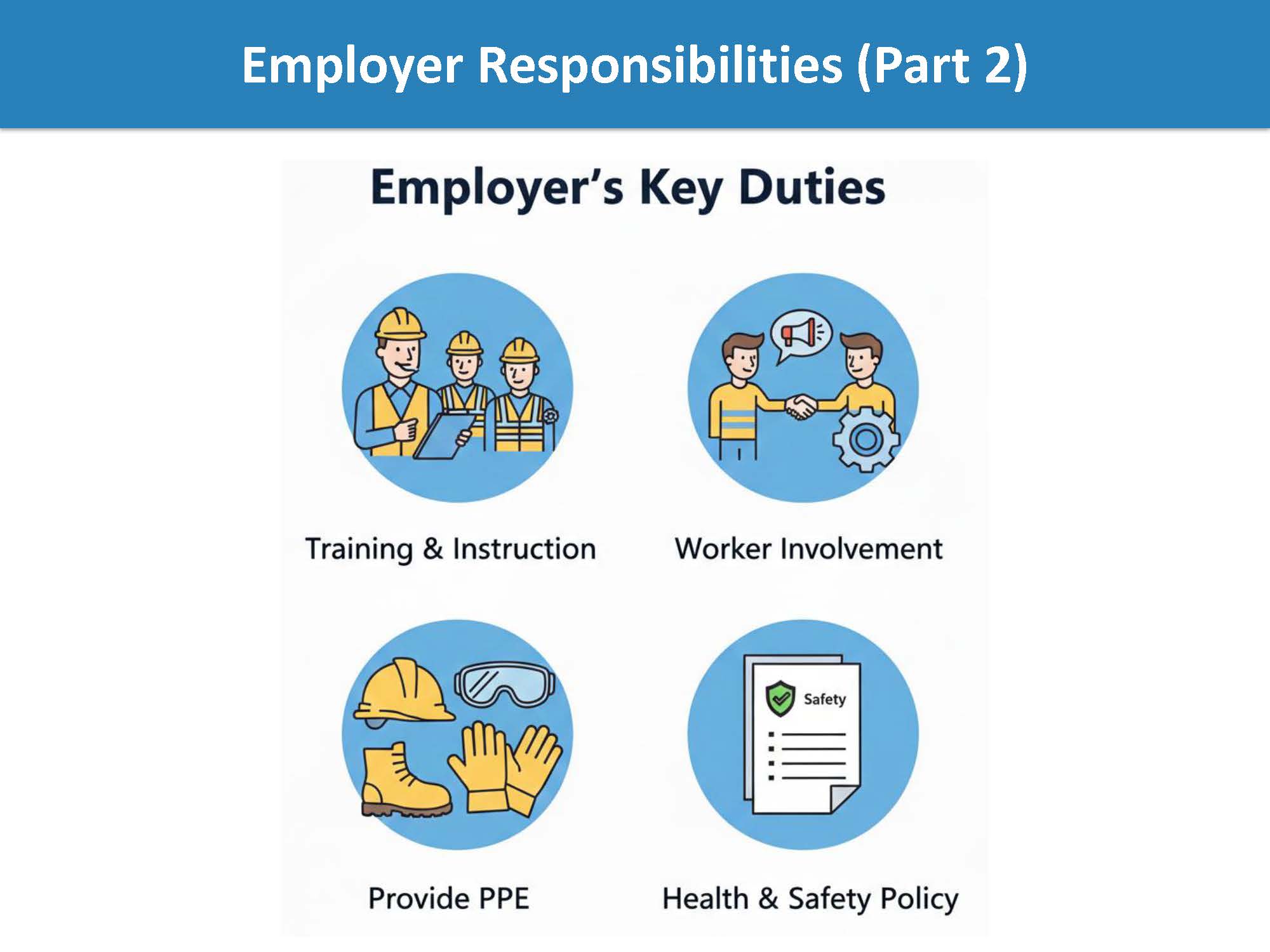
Question 9: Under HASAWA, who must provide personal protective equipment (PPE)?
a) Employees must buy their own
b) The employer must provide it
c) Trade unions provide it
d) The HSE provides it
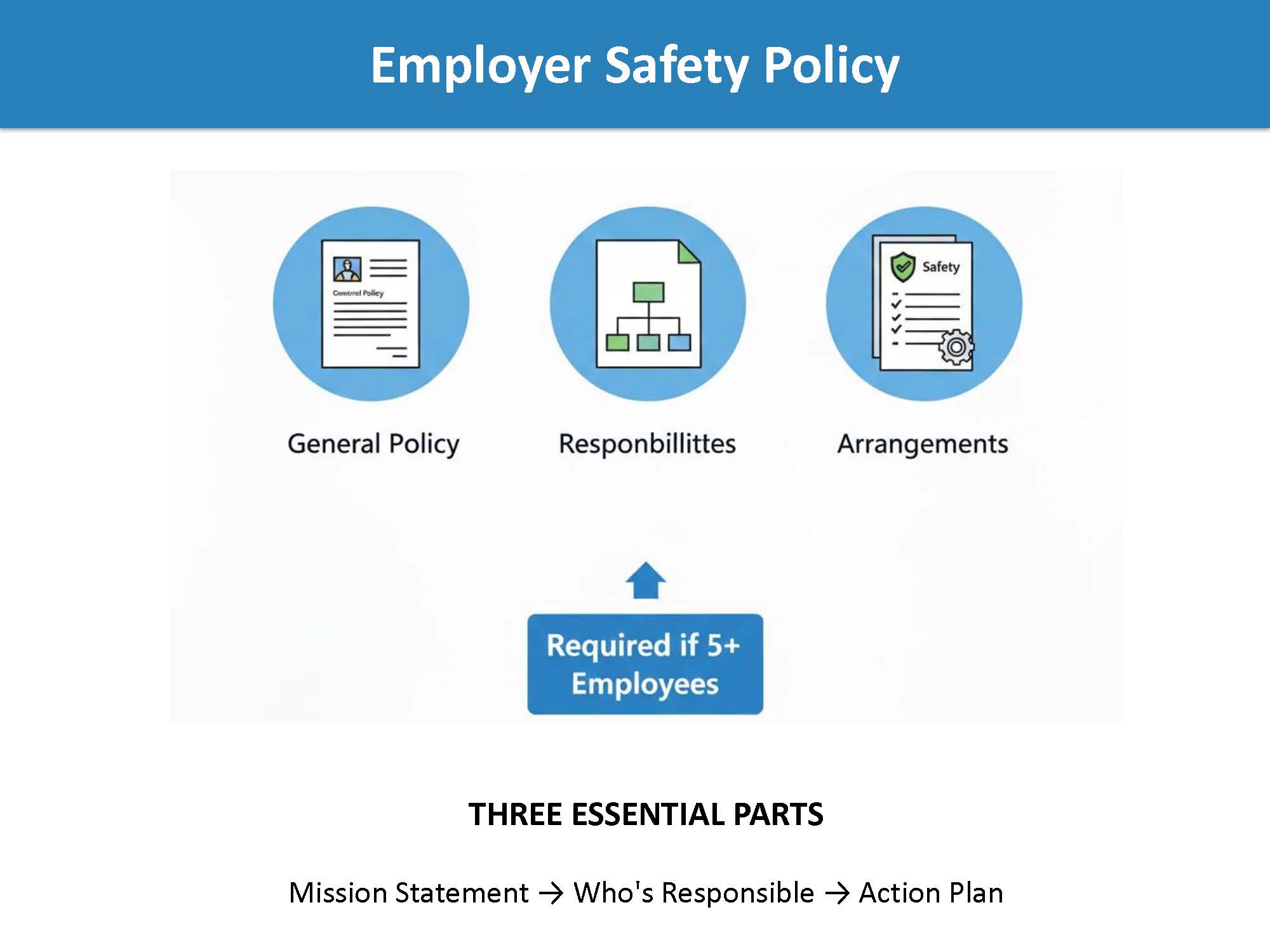
Question 10: How many employees must a company have before they need a written safety policy?
a) Any number - all companies need one
b) 5 or more
c) 10 or more
d) 50 or more
🎯 Final Assessment
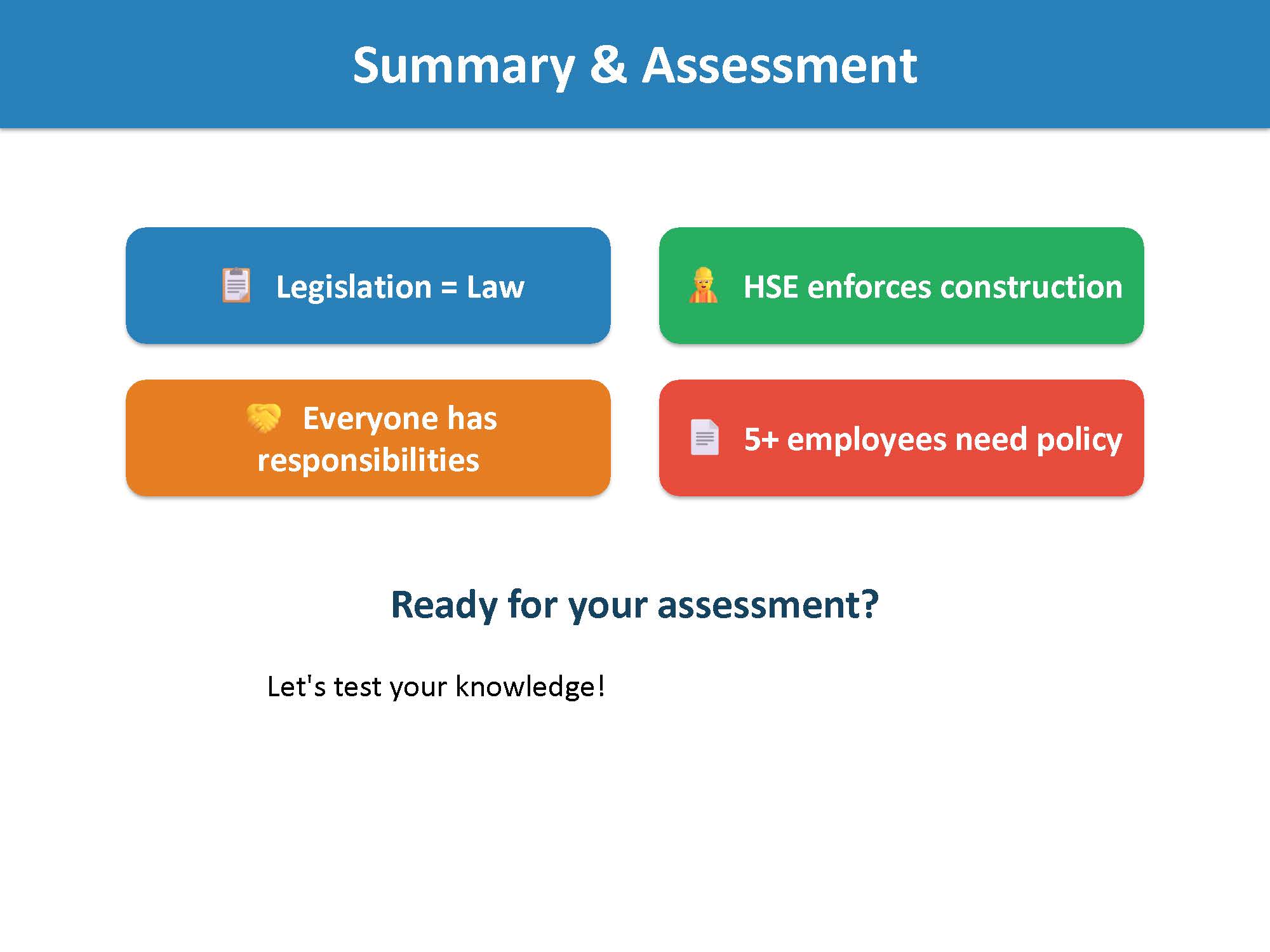
You've completed all the content! Ready to test your knowledge?
You need 70% (3 out of 4 questions) to pass.
Final Assessment Questions
Question 12: What is the main difference between an improvement notice and a prohibition notice?
a) There is no difference
b) Improvement notice stops work immediately; prohibition notice gives time to fix
c) Prohibition notice stops work immediately; improvement notice gives time to fix
d) Only prohibition notices can be appealed
Question 13: British Standards are:
a) Law that you can be prosecuted for breaking
b) Guidelines that help you meet legal requirements
c) Only relevant for British companies
d) Optional and not important
Question 14: Employees can be prosecuted under HASAWA for putting others at risk.
True
False
Question 15: The phrase 'so far as is reasonably practicable' in HASAWA means:
a) Employers can choose whether to follow the rules
b) Employers must do what's reasonable to ensure safety
c) Only practical rules need to be followed
d) Safety is optional if it's too difficult